
Goodbye aniline!
Such a nice experience I had to receive some pages from the Mosstyper newsletter dated 1951 and 1952 when flexography made its debut with the new name.

Such a nice experience I had to receive some pages from the Mosstyper newsletter dated 1951 and 1952 when flexography made its debut with the new name.

Sometimes I come across some information that could be misleading flexo operators: image resolution must be adequate to the intended use in printing, there is a relationship between image resolution (pixels per inch) and print linescreen (lines per inch) and I’ll show you in this short video.
What is the best resolution to print images in flexo? Read More »
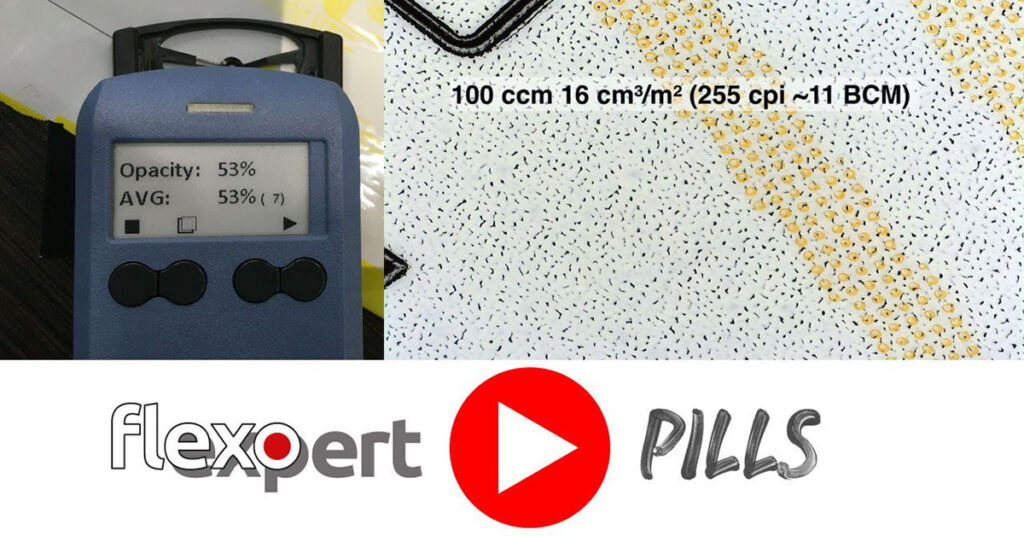
From a phone call and an email exchange with a flexo printer I propose a quick troubleshooting about printing white ink on transparent BOPP.
Can you help me to print white? Read More »
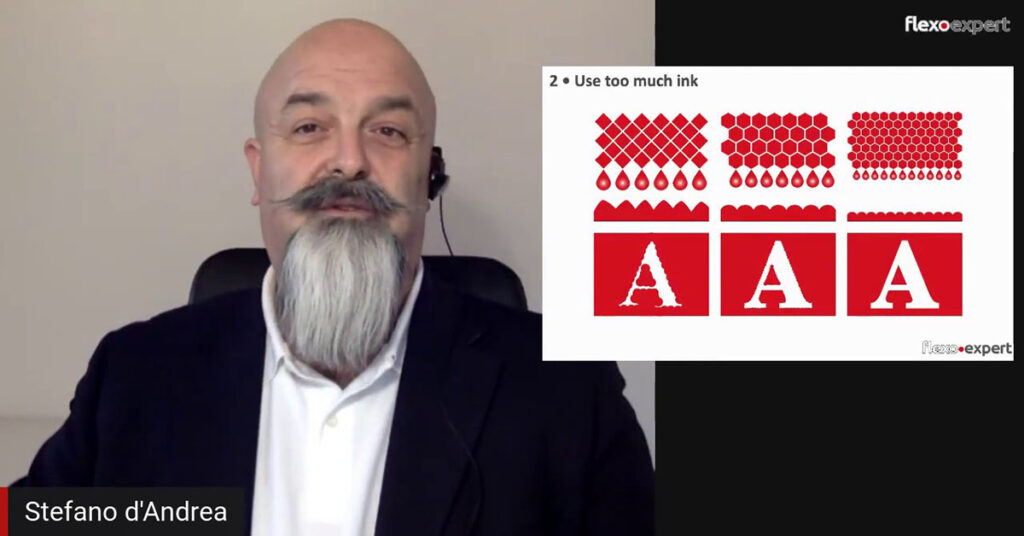
Have you ever experienced any troubles when printing in flexo? Here is a list of things you should avoid when approaching flexography in order to prevent from troubles in production.
10 things to avoid in flexography to prevent from troubles Read More »

Flexography is the youngest among the conventional printing systems: just a baby when compared with letterpress, offset lithography, gravure and screen printing. Its name was chosen with a ballot and finally presented during the 14th Packaging Institute Forum, in October 1952.
Why do we call it “flexography”? Read More »

The register between colors is a fundamental aspect for the quality of the printed product. But what is the correct register tolerance and how to evaluate it? ISO 12647-6 connects the register tolerance to the print linescreen. The higher the linescreen, the greater the expected accuracy on the printed product. According to this norm, register
Register tolerance: what is the correct value? Read More »
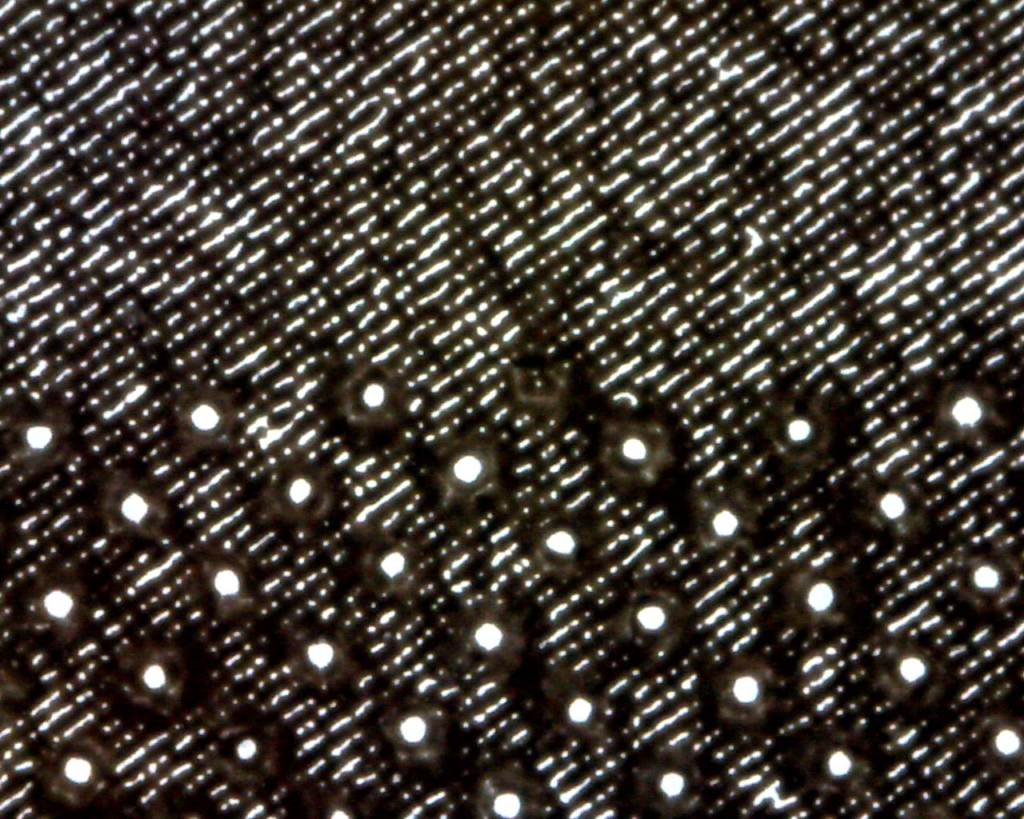
Surface texturing of flexographic plates is nowadays widely used to improve the ink laydown when using latest flat-top platemaking technologies.The settings for such surface micro screening are carefully evaluated during the optimization phase of system calibration and they shall not be changed for that printing condition.Using wrong settings will cause not only the solids to
Be careful with micro-screening on flexo plate surface Read More »
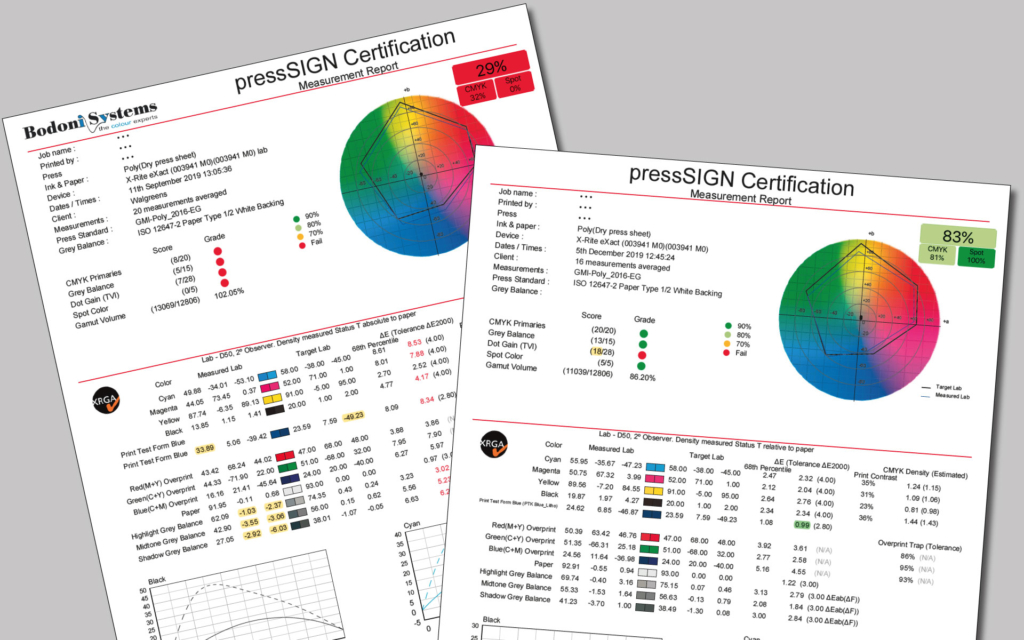
Here is a print condition audit that initially revealed an insufficient quality level, scoring below 30%, and ended with a final score of 83% with satisfaction of both printer and final customer. The printer invested in 3 days of process calibration activities over 3 weeks time with the limitation of using the existing press setup
3 simple steps to good quality Read More »

I’m really excited and looking forward to being in Bruxelles tomorrow at Labelexpo Europe 2019.This will be my personal 30 years anniversary edition, celebrating my 30 years in the industry as well. In 1989 I was just back to Italy, after almost 3 years at the School of Media Development and Graphic Arts in Kampala,
My first 30 years in flexo and Labelexpo Read More »
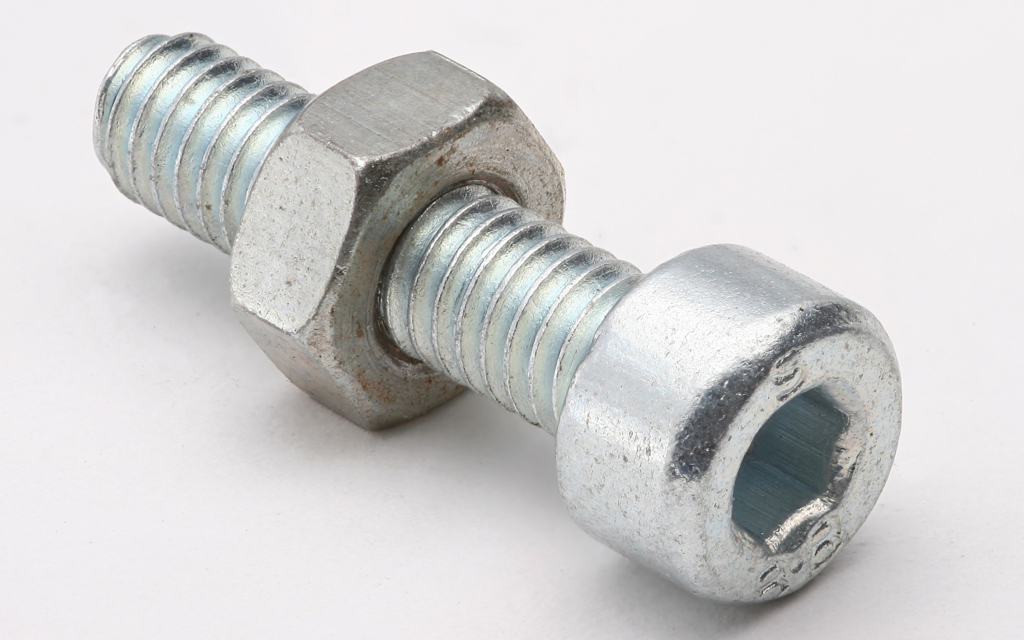
Probably not, but you surely need an organised, consistent and repeatable printing system. If I look for a nut suitable for an M4 screw, I just have to look for an M4 nut to make sure I have the right nut. An organised and repeatable system has a better economic and quality yield. This is
Do I really need a standard to print? Read More »